
Xenon (Xe) is one of the rarest gases on Earth. It makes up less than 0.000009% of the atmosphere, which is why it’s expensive, hard to source, and increasingly strategic. But despite its scarcity, xenon has become indispensable in industries where failure is not an option: semiconductor manufacturing, satellite propulsion, and advanced medical imaging.
As chipmakers push toward 3nm and below, and satellite constellations expand, demand for ultra-high-purity xenon has surged. Global xenon demand grew roughly 12% year-over-year in Q1 2026, driven by semiconductor lithography and aerospace programs. Dr. Emily Carter, a chemical engineering expert at GreenTech Innovations, puts it simply: “In these applications, purity isn’t a nice-to-have. It’s the difference between a working wafer and a million-dollar scrap pile.”
Whether we’re talking about the chip in your phone or the satellite beaming internet to remote areas, xenon plays a big role. But it also comes with handling risks and strict export controls. Looking ahead to 2026 and beyond, industries need to balance innovation with safety and compliance. Here are the three questions every buyer should ask—and the answers that matter.
What exactly is xenon gas, and why does 99.9999% purity matter?
Xenon is a colorless, odorless, non-flammable noble gas. It’s the heaviest stable noble gas, about 4.5 times denser than air. Its molecular weight is 131.29 g/mol, it boils at -108.1°C, and it’s chemically inert under normal conditions—which is exactly why it’s useful in sensitive processes.
The purity difference:
At 99.9999% (6N), total metallic impurities are held below 0.1 ppb, moisture stays below 0.02 ppmv, and oxygen stays below 0.01 ppmv. That’s the grade we supply. For most semiconductor and satellite work, 5N is the working standard. For the most demanding research and next-generation lithography, 6N is required.
Why purity matters: In plasma etching, trace impurities disrupt plasma stability and kill wafer yield. In ion thrusters, contaminants degrade performance over years of operation. In medical applications, patient safety demands zero toxic impurities.
Where is xenon actually used, and what’s driving demand in 2026?
1. Semiconductor lithography and etching
Xenon is critical for excimer lasers used in DUV lithography and for plasma etching of high-aspect-ratio structures in 3D NAND memory. As chipmakers push toward smaller nodes, they require xenon purity exceeding 99.999% to prevent trace contamination from impacting yields.
2. Satellite ion propulsion
Xenon is the preferred propellant for electric ion thrusters because it’s heavy, easily ionized, and chemically inert. It lets satellites carry more payload and operate for years without refueling. The satellite segment is projected to account for 49.19% of the xenon market in 2026.
3. Medical applications
Xenon is used as an anesthetic and neuroprotectant. A January 2025 study from Washington University School of Medicine demonstrated that inhaled xenon reduces neuroinflammation and brain atrophy in mouse models of Alzheimer’s disease, opening a potential therapeutic pathway.
4. Lighting and imaging
Xenon lamps power high-speed photographic flashes, automotive HID headlights, and operating room lighting systems. Its blue-white spectrum is wider than neon or krypton, making it ideal for high-intensity applications.
Market snapshot: The global xenon market was valued at $264.43 million in 2025** and is projected to reach **$317.59 million by 2034, growing at about 2.1% CAGR. Asia-Pacific dominates consumption with roughly 37.1% market share, driven by semiconductor fabs in China, Taiwan, and South Korea. Xenon prices rebounded over 30% since late 2025, with 5N grade quoted at roughly $8,000–$10,000 per cubic meter in Q1 2026.
How is xenon shipped, and what export requirements apply?
UN Classification: UN2036, Class 2.2 (Non-flammable, non-toxic gas).
Packaging:
Standard filling pressure options include 12.5 MPa, 15 MPa, and 20 MPa, depending on destination regulations and customer preference. Cylinders must be shipped upright, clearly labeled “Xenon, compressed” (UN2036), and protected from heat and physical damage.
Key safety points:
Xenon is an asphyxiant. It’s heavier than air and can accumulate in low-lying areas, displacing oxygen. Always store and use with adequate ventilation.
At high concentrations, it causes dizziness, lethargy, and suffocation without warning.
Liquid xenon causes frostbite on contact.
Cylinders may explode if heated—keep away from heat sources and direct sunlight.
Export documentation:
Material Safety Data Sheet (MSDS) — GHS-compliant
Dangerous Goods Declaration
Cylinder inspection certificates
CIQ certificate for exports from China
Dual-use export license — Xenon is classified as a dual-use item in China because of its satellite propulsion applications. Exporters must obtain the appropriate license from MOFCOM.
REACH registration for EU destinations
Compliance standards:
GB/T 5828-2025 — Chinese national standard for pure, high-purity, and ultra-pure xenon, covering sampling, testing, labeling, packaging, filling, transport, and storage.
ASTM D2471 — international standard for xenon specification.
SEMI C3 / C10 — electronic-grade gas specifications for semiconductor applications.
Tips: Always ensure proper ventilation in storage areas. Use appropriate personal protective equipment. Keep neutralizing agents and emergency response protocols readily accessible. Regular training on these safety measures helps foster a culture of safety in the workplace.
Conclusion
Xenon gas is a significant chemical compound with notable applications across the semiconductor, aerospace, and medical industries in 2026. This colorless, odorless noble gas is characterized by its extreme stability and high density, making it ideal for plasma etching, ion propulsion, and advanced imaging. As chipmakers push toward 3nm and beyond, and satellite constellations expand, demand for 99.9999% ultra-pure xenon continues to grow. Safety and handling are critical, as it can pose asphyxiation risks if not managed properly. Additionally, export controls and dual-use regulations require careful compliance. As industries seek to optimize their processes, future trends in xenon usage will likely focus on sustainable sourcing and enhanced safety measures to minimize harm to human health and the environment.




 Xenon Gas 2026: 99.9999% Ultra-Pure Xe for Semiconductor, Satellite & Medical ApplicationsXenon gas (Xe) is a critical rare gas for semiconductor lithography, satellite ion propulsion, and medical anesthesia. Learn about 99.9999% ultra-pure specifications, UN2036 shipping requirements, dual-use export compliance, and 2026 market trends. Request a quote.
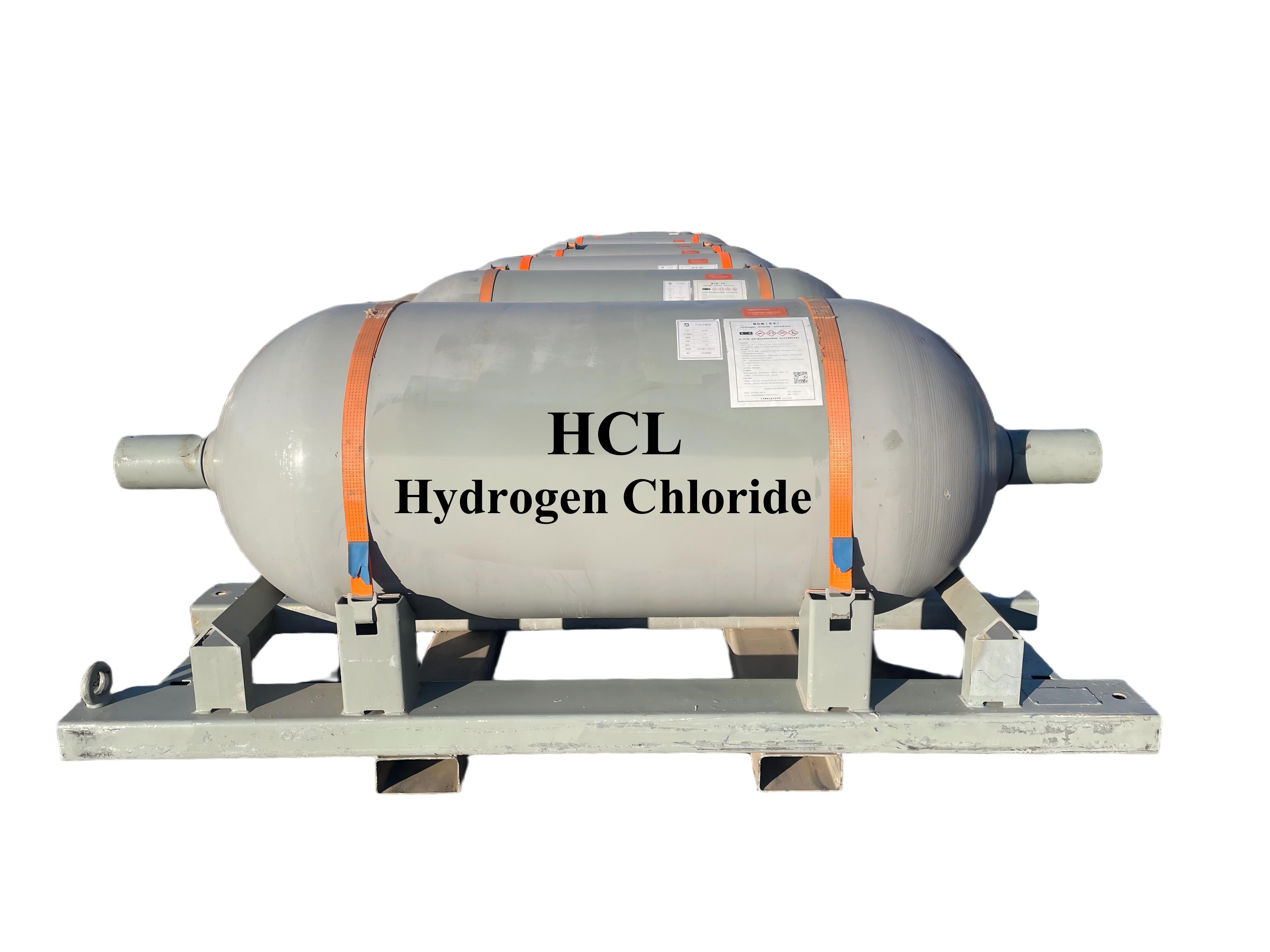
: Industrial Uses, Chemical Properties, Safety and 2026 Market Outlook") Hydrogen Chloride (HCl): Industrial Uses, Chemical Properties, Safety and 2026 Market OutlookHydrogen chloride (HCl) is a vital corrosive industrial gas widely used in chemicals, pharmaceuticals and metallurgy. Boasting high water solubility and strong acidity, it has huge industrial value. Yet its toxicity and environmental risks demand strict safety control and green, standardized usage across global industrial sectors in 2026.
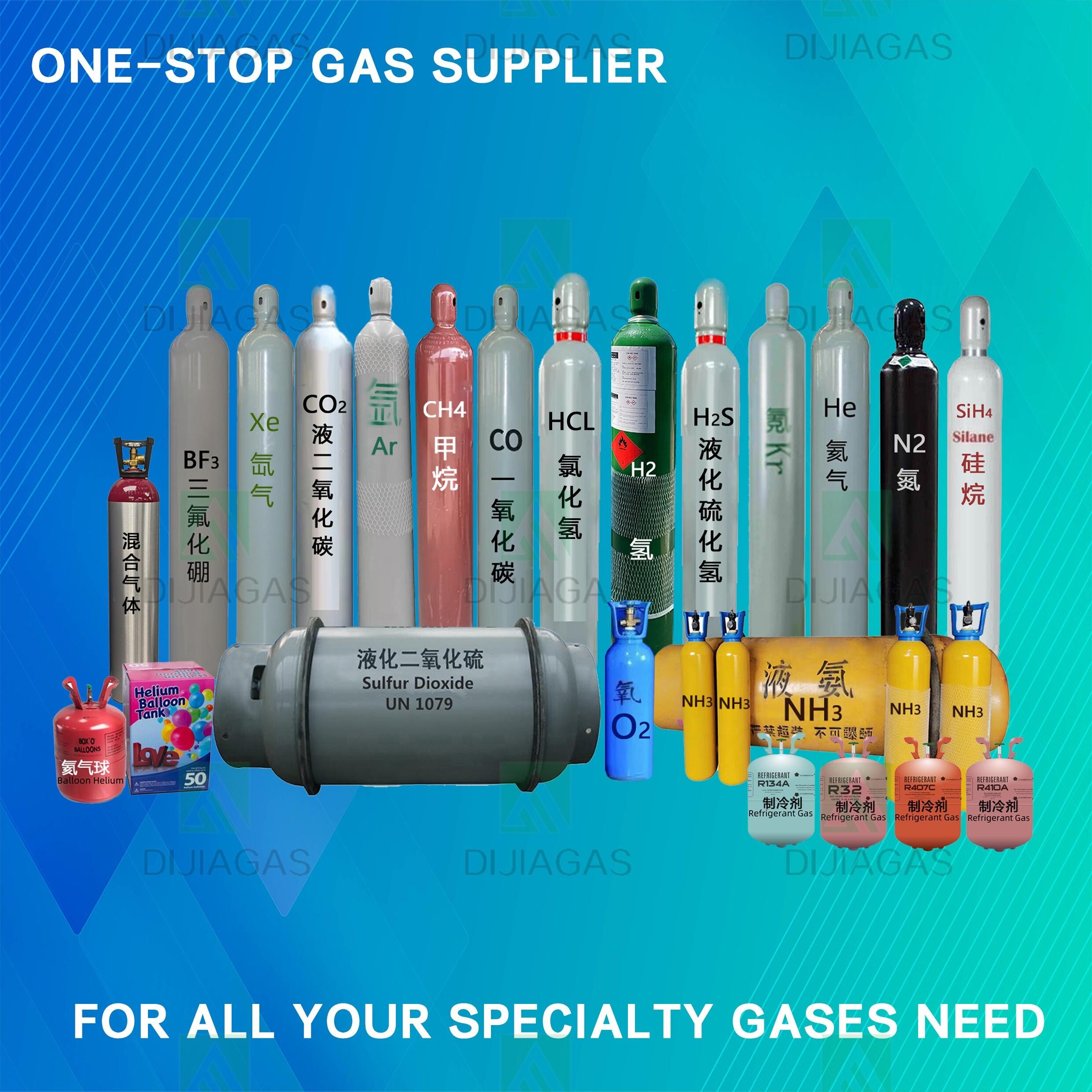
: Industrial Applications, Properties, Safety and Future Trends 2026") Hexafluoroethane (C₂F₆): Industrial Applications, Properties, Safety and Future Trends 2026
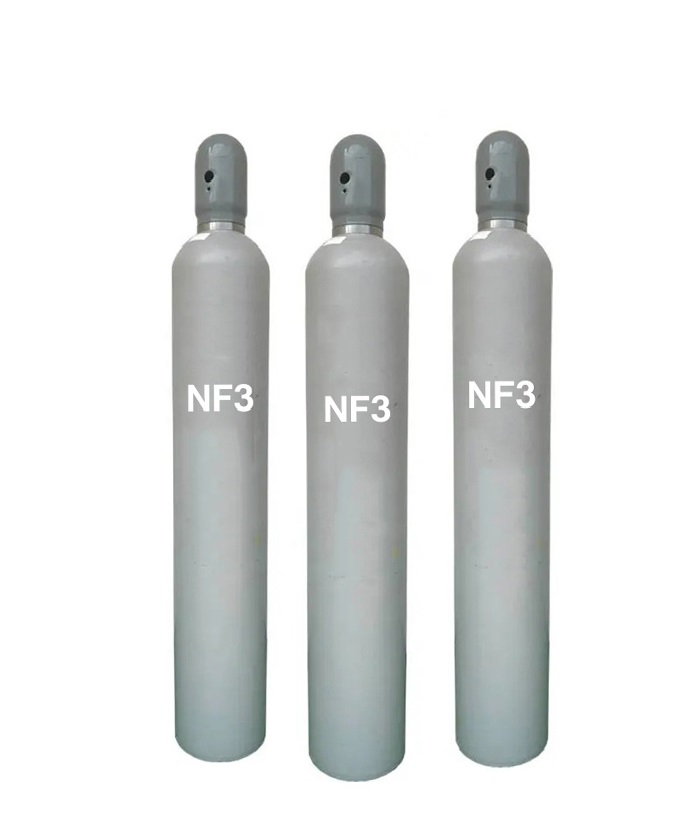
 2026: 99.999% Electronic Grade for Semiconductor Etching & CVD Cleaning") Nitrogen Trifluoride (NF₃) 2026: 99.999% Electronic Grade for Semiconductor Etching & CVD CleaningStraight answers on nitrogen trifluoride: 99.999% electronic-grade NF3 for semiconductor plasma etching, CVD chamber cleaning, and display manufacturing. UN2451 shipping, cylinder specs, and compliance requirements. Request a quote.
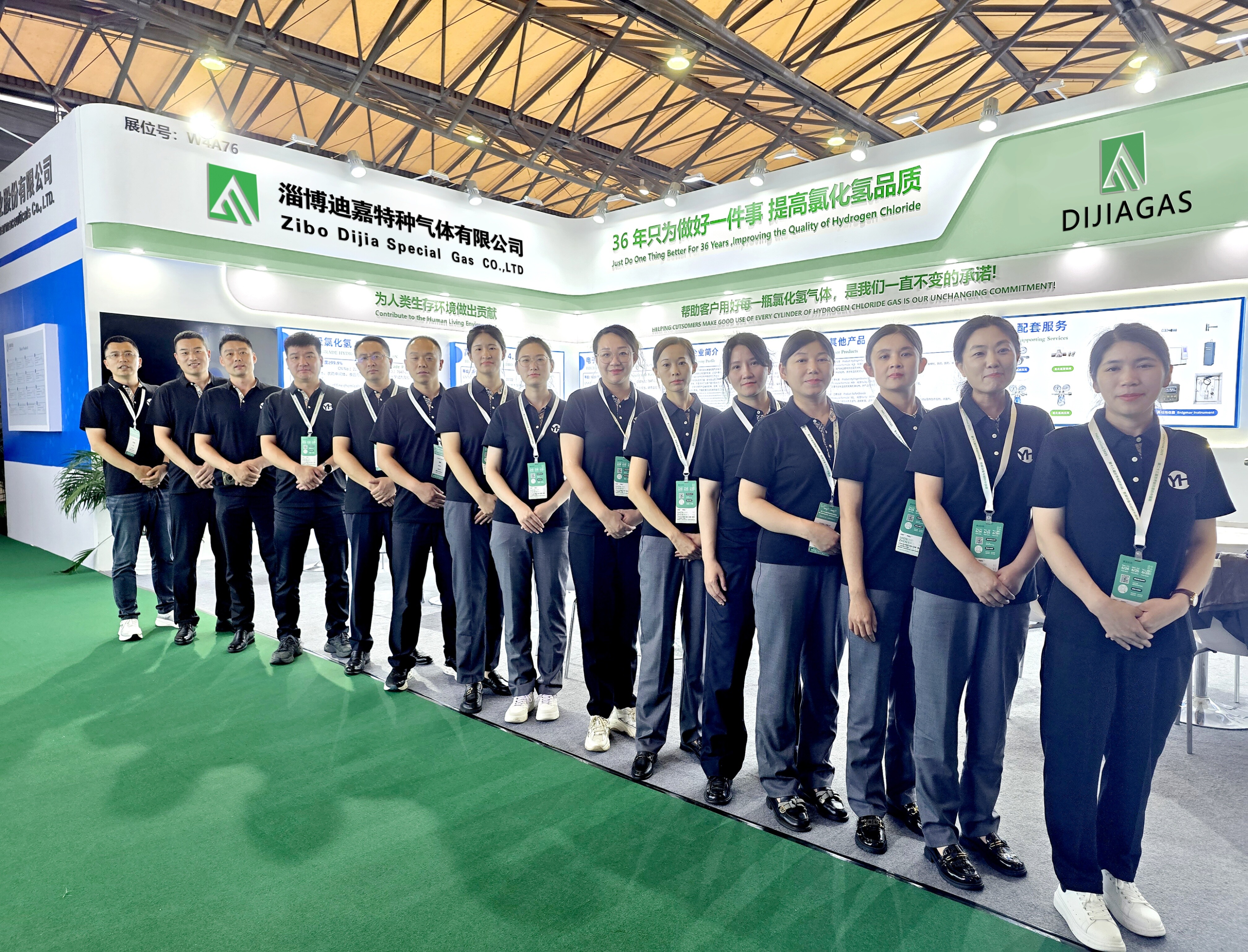
 Successful Conclusion of CPHI China 2026 | Zibo Dijia Gains Global Recognition for High-Purity Specialty Gas SolutionsThe 24th CPHI China 2026 concluded successfully in Shanghai. As a leading specialty gas supplier, Zibo Dijia showcased ten series of high-purity industrial, electronic, medical and specialty gases at Booth W4A76, including core products like hydrogen chloride and sulfur hexafluoride. The three-day exhibition facilitated in-depth negotiations with global pharmaceutical clients, yielding abundant cooperation intentions. Dijia’s professional gas solutions and reliable supply capacity won wide overseas recognition, laying a solid foundation for further global market expansion.
 Zibo Dijia Maintains Strong Momentum on Day 2 of the 24th CPHI China, Empowering Pharmaceutical Industry with Specialty GasesDay 2 @ CPHI China | Booth W4A76, Zibo Dijia Special Gas
Visitor momentum continues with targeted industrial negotiations. We supply mainstream pharmaceutical specialty gases including hydrogen chloride, hydrogen sulfide and sulfur hexafluoride. With ten product series and over 100 gas types covering industrial, electronic, medical, laser and calibration applications, we focused on high-purity compliance, cross-border supply and customized mixed gas cooperation on Day 2. Only one day left, looking forward to your visit.
Chat Online