
What are the basic characteristics of ammonia gas?
Ammonia gas is a colorless gas with a pungent odor, with the chemical formula NH₃. In the special environment of chip manufacturing, highly purified and strictly controlled ammonia gas is used to ensure that no impurities that may affect the performance of the chips are introduced. Its unique molecular structure makes it an ideal nitrogen source and reactant in semiconductor processes.
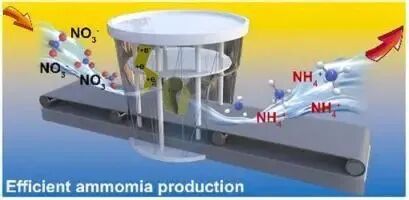
The key precursors for thin film deposition
In the process of chip manufacturing, one of the most important roles of ammonia is as a key precursor for the deposition of silicon nitride films. When ammonia and silane gas meet in a chemical vapor deposition equipment, a precise chemical reaction occurs: 3SiH₄ + 4NH₃ → Si₃N₄ + 12H₂. This reaction generates a uniform and dense silicon nitride film on the silicon wafer surface.
Silicon nitride films play multiple important roles in chips. Firstly, they serve as excellent barrier layers, effectively preventing water vapor and impurity ions from invading the sensitive circuit areas. Secondly, due to their high hardness and chemical stability, silicon nitride is often used as a stop layer in chemical mechanical polishing processes to ensure precise control of the polishing process. Moreover, at the final stage of chip manufacturing, silicon nitride films act as passivation layers, providing reliable protection for fragile circuits.
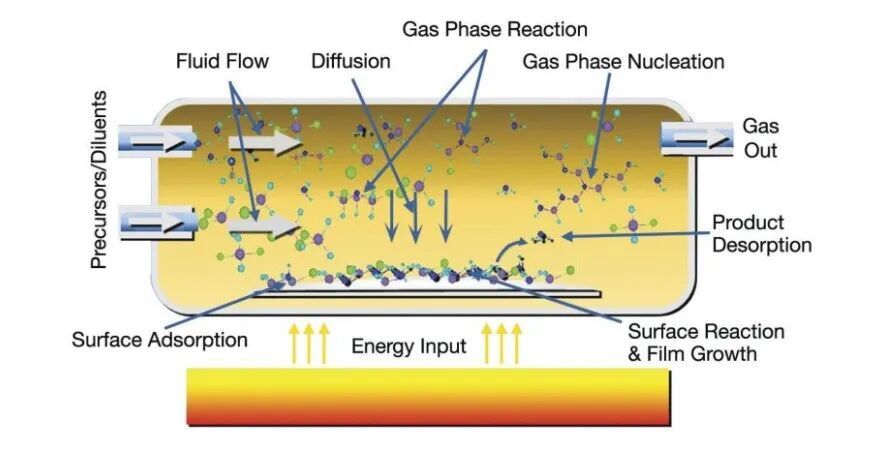
Effective tools for surface modification
Ammonia also plays a significant role in surface modification of chips. Through plasma technology, ammonia molecules are dissociated into active groups such as nitrogen and hydrogen, which can precisely modify the surface of the chips.
During the surface modification process, ammonia plasma can introduce nitrogen elements into the material's surface layer, improving the chemical properties of the material's surface and enhancing the adhesion of the subsequently deposited films. At the same time, the hydrogen groups in the plasma can effectively remove contaminants such as metal oxides, transforming the material's surface from a chemically inert state to an active state, creating ideal conditions for subsequent process steps.
An important participant in precision cleaning
In the highly demanding environment of chip manufacturing, the quality of the cleaning process directly affects the yield and performance of the products. Ammonia gas and its aqueous solution play a significant role in the chip cleaning process.
In the traditional RCA standard cleaning process, a mixture of ammonia water and hydrogen peroxide is used to remove organic residues and some metal contaminants from the surface of silicon wafers. This process is achieved through a complex chemical mechanism: hydrogen peroxide provides strong oxidizing ability to decompose organic substances, while ammonia water achieves the decontamination effect by forming soluble complexes with metal ions.
With the advancement of technology, the vapor-phase cleaning technology has gradually matured. In this advanced cleaning method, gaseous ammonia and hydrogen fluoride gases react directly under gaseous conditions, enabling the removal of trace contaminants on the surface without the need for liquid contact, achieving a more precise and damage-free cleaning effect.
The reason why ammonia gas can be widely used in chip manufacturing lies in its unique chemical properties. As a safe and reliable nitrogen source, ammonia gas exhibits excellent reactivity under controlled conditions. Moreover, its reaction by-products are usually hydrogen gas or water vapor, which are easily manageable. These characteristics make it highly favored in the precise manufacturing process.




 Xenon Gas 2026: 99.9999% Ultra-Pure Xe for Semiconductor, Satellite & Medical ApplicationsXenon gas (Xe) is a critical rare gas for semiconductor lithography, satellite ion propulsion, and medical anesthesia. Learn about 99.9999% ultra-pure specifications, UN2036 shipping requirements, dual-use export compliance, and 2026 market trends. Request a quote.
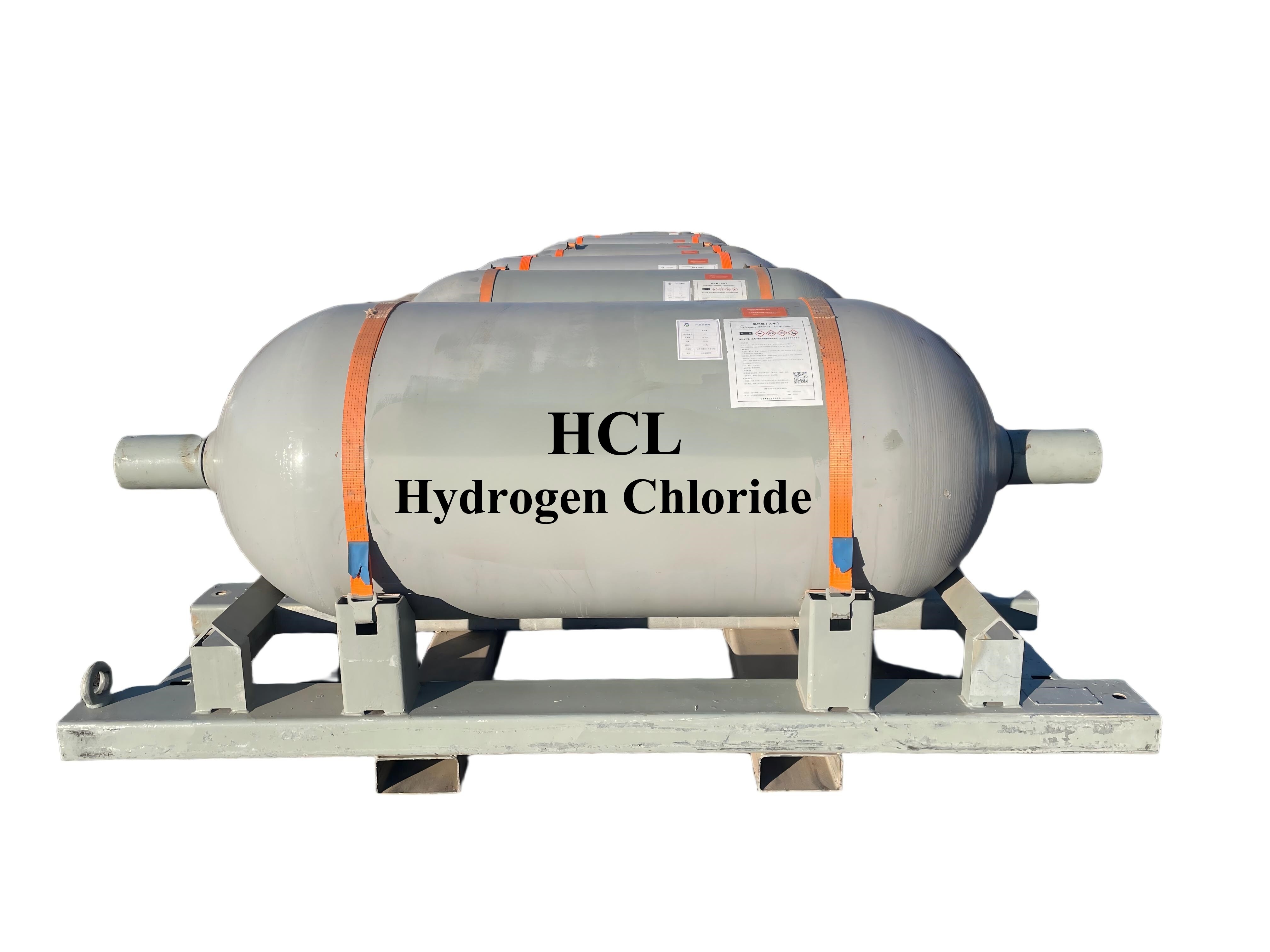
: Industrial Uses, Chemical Properties, Safety and 2026 Market Outlook") Hydrogen Chloride (HCl): Industrial Uses, Chemical Properties, Safety and 2026 Market OutlookHydrogen chloride (HCl) is a vital corrosive industrial gas widely used in chemicals, pharmaceuticals and metallurgy. Boasting high water solubility and strong acidity, it has huge industrial value. Yet its toxicity and environmental risks demand strict safety control and green, standardized usage across global industrial sectors in 2026.
Hydrogen Chloride (HCl): Industrial Uses, Chemical Properties, Safety and 2026 Market OutlookHydrogen chloride (HCl) is a vital corrosive industrial gas widely used in chemicals, pharmaceuticals and metallurgy. Boasting high water solubility and strong acidity, it has huge industrial value. Yet its toxicity and environmental risks demand strict safety control and green, standardized usage across global industrial sectors in 2026.: Industrial Applications, Properties, Safety and Future Trends 2026") Hexafluoroethane (C₂F₆): Industrial Applications, Properties, Safety and Future Trends 2026
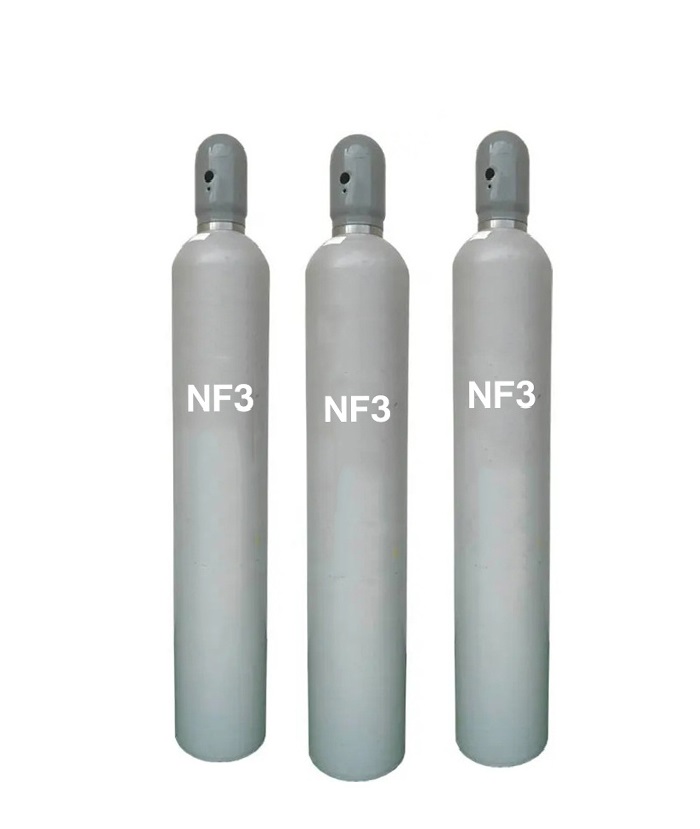
Hexafluoroethane (C₂F₆): Industrial Applications, Properties, Safety and Future Trends 2026 2026: 99.999% Electronic Grade for Semiconductor Etching & CVD Cleaning") Nitrogen Trifluoride (NF₃) 2026: 99.999% Electronic Grade for Semiconductor Etching & CVD CleaningStraight answers on nitrogen trifluoride: 99.999% electronic-grade NF3 for semiconductor plasma etching, CVD chamber cleaning, and display manufacturing. UN2451 shipping, cylinder specs, and compliance requirements. Request a quote.
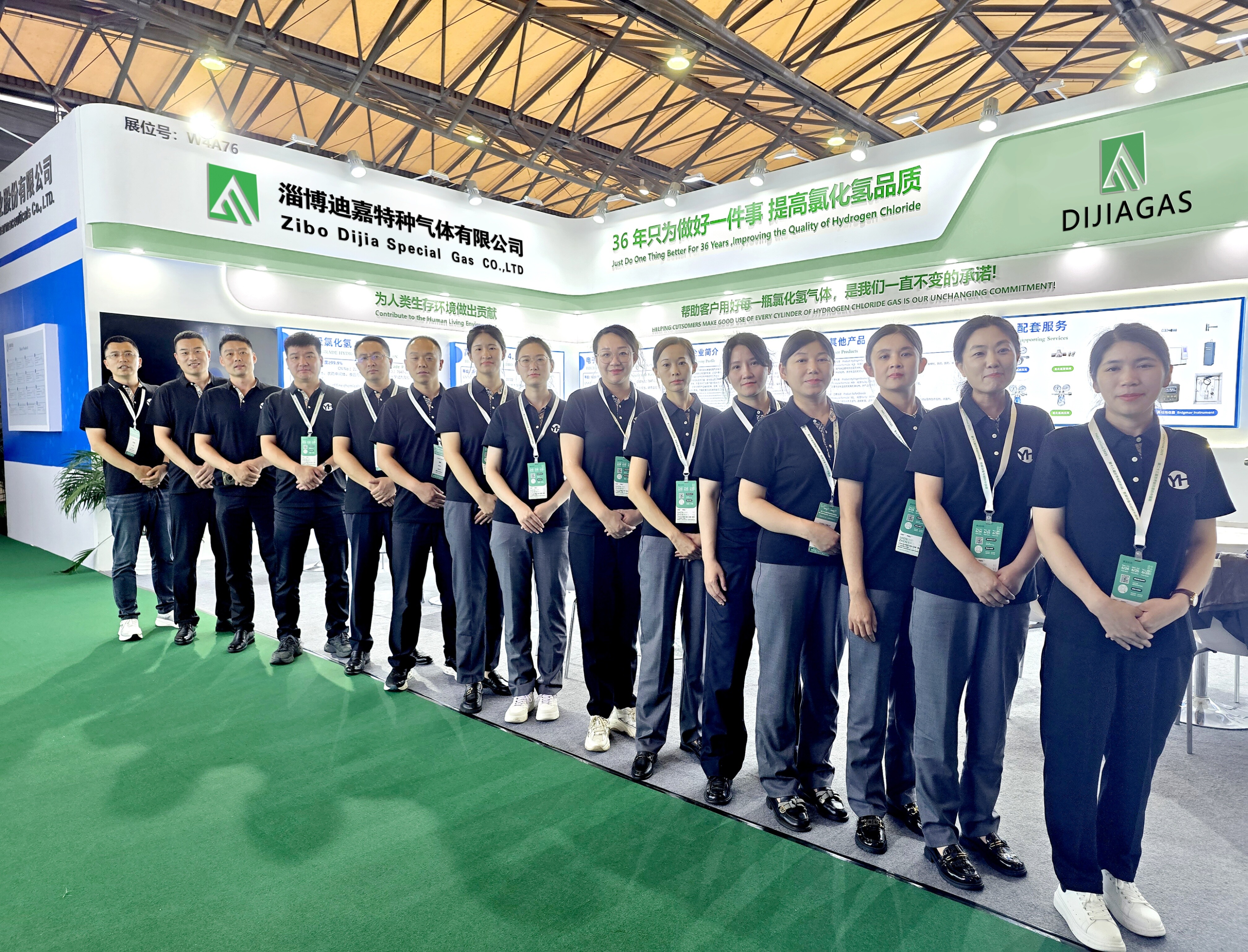
Nitrogen Trifluoride (NF₃) 2026: 99.999% Electronic Grade for Semiconductor Etching & CVD CleaningStraight answers on nitrogen trifluoride: 99.999% electronic-grade NF3 for semiconductor plasma etching, CVD chamber cleaning, and display manufacturing. UN2451 shipping, cylinder specs, and compliance requirements. Request a quote. Successful Conclusion of CPHI China 2026 | Zibo Dijia Gains Global Recognition for High-Purity Specialty Gas SolutionsThe 24th CPHI China 2026 concluded successfully in Shanghai. As a leading specialty gas supplier, Zibo Dijia showcased ten series of high-purity industrial, electronic, medical and specialty gases at Booth W4A76, including core products like hydrogen chloride and sulfur hexafluoride. The three-day exhibition facilitated in-depth negotiations with global pharmaceutical clients, yielding abundant cooperation intentions. Dijia’s professional gas solutions and reliable supply capacity won wide overseas recognition, laying a solid foundation for further global market expansion.
 Zibo Dijia Maintains Strong Momentum on Day 2 of the 24th CPHI China, Empowering Pharmaceutical Industry with Specialty GasesDay 2 @ CPHI China | Booth W4A76, Zibo Dijia Special Gas
Visitor momentum continues with targeted industrial negotiations. We supply mainstream pharmaceutical specialty gases including hydrogen chloride, hydrogen sulfide and sulfur hexafluoride. With ten product series and over 100 gas types covering industrial, electronic, medical, laser and calibration applications, we focused on high-purity compliance, cross-border supply and customized mixed gas cooperation on Day 2. Only one day left, looking forward to your visit.
Chat Online