
What is ammonia (NH3), and what are its key properties?
Ammonia (NH3) is a colorless, pungent-smelling inorganic compound composed of one nitrogen atom and three hydrogen atoms. Key properties include:
Molecular Weight: 17.031 g/mol
Boiling Point: -33.5°C (at 1 atm)
Density: 0.771 kg/m³ (gas), 682 kg/m³ (liquid at -33.5°C)
Solubility: Highly soluble in water (47% w/w at 0°C), forming ammonium hydroxide (NH4OH).
Toxicity: IDLH (Immediately Dangerous to Life/Health) at 300 ppm; regulated by OSHA (PEL: 50 ppm over 8 hours).
What are the primary industrial applications of ammonia?
NH3 is indispensable across multiple sectors:
Agriculture:
Fertilizer Production: Over 80% of global ammonia is used to produce nitrogen-based fertilizers like urea and ammonium nitrate, critical for crop yield enhancement.
Refrigeration:
Acts as an eco-friendly refrigerant (R717) in industrial cooling systems due to zero ozone depletion potential (ODP).
Chemical Synthesis:
Key precursor for nitric acid, plastics, and explosives.
Energy Transition:
Green Hydrogen Carrier: Ammonia is emerging as a hydrogen storage medium, with cracking technologies converting NH3 back to H2 for fuel cells and decarbonized energy systems.
Wastewater Treatment:
Neutralizes acidic effluents and removes heavy metals in industrial wastewater.
How is ammonia safely packaged and stored?
Rigorous protocols ensure safety and compliance:
Packaging:
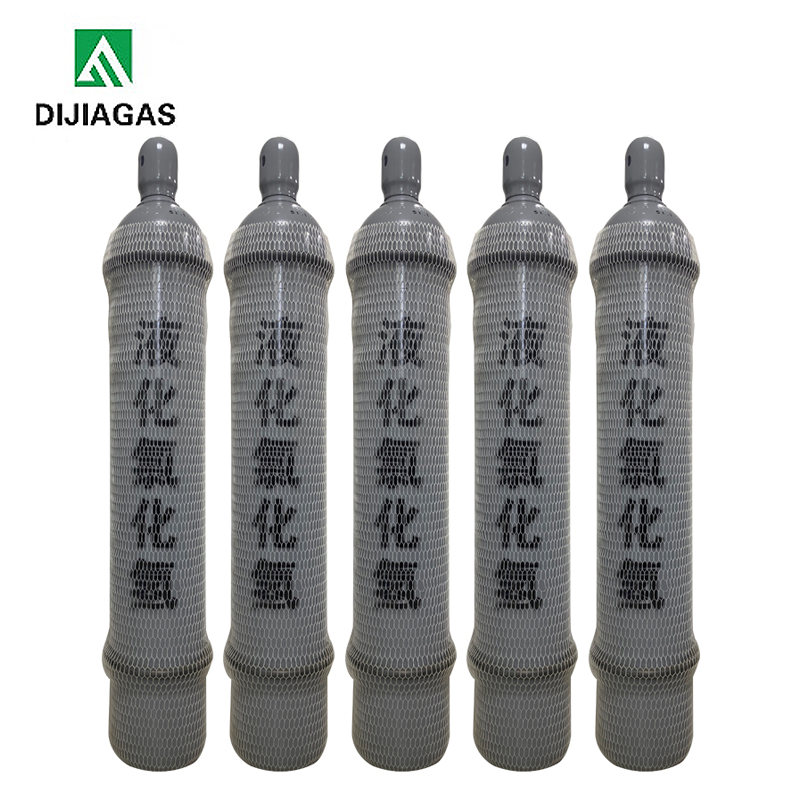
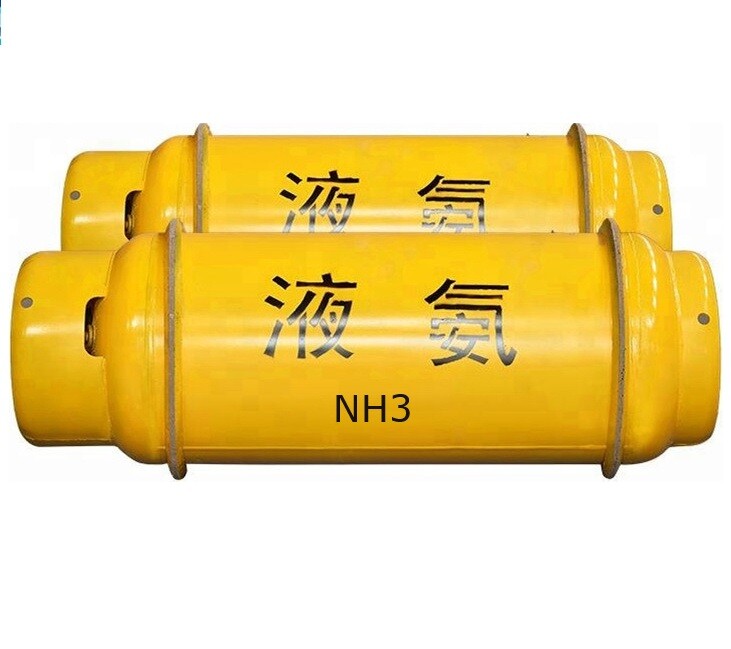
Liquefied NH3: Stored in DOT/ISO-certified cylinders (e.g., 150 lb steel tanks) or bulk ISO containers with pressure relief valves.
Transport: Classified as UN 1005 (Anhydrous Ammonia), requiring leak-proof valves and corrosion-resistant materials.
Storage:
Keep in ventilated, cool areas (<30°C) away from oxidizers (e.g., chlorine) and moisture.
Facilities must display GHS hazard labels (Toxic Gas, Corrosive) and emergency shutdown systems.
What are the emerging trends in the global ammonia market?
Key developments reshaping the industry include:
Green Ammonia Surge:
Projects like ACME’s 1.2 MTPA renewable ammonia plant in Oman (with Yara) and CF Industries’ $4B blue ammonia facility in the U.S. highlight investments in low-carbon NH3 production.
Asia-Pacific Dominance:
APAC accounts for 58% of global NH3 demand, driven by India’s fertilizer sector and Japan’s hydrogen economy initiatives.
Price Volatility:
European prices dipped 5% in April 2025 due to muted demand, while North America saw a 3% rise amid supply constraints.
How does ammonia contribute to sustainability goals?
Innovations are aligning NH3 with net-zero targets:
Carbon Capture Integration: Blue ammonia plants (e.g., CF Industries) achieve 90% CO2 reduction via CCS.
Renewable Energy Synergy: Green ammonia production using solar/wind-powered electrolyzers cuts emissions by 95% compared to conventional methods.
Circular Economy: Recovery systems reclaim NH3 from industrial byproducts, reducing waste in steel and chemical sectors.
What safety protocols are critical for ammonia handling?
Mitigate risks with these practices:
Ventilation: Ensure >12 air changes/hour in storage areas to prevent asphyxiation risks.
PPE: Acid-resistant gloves, full-face respirators (NIOSH-approved), and chemical suits.
Leak Response: Neutralize spills with water spray or dilute acetic acid; evacuate zones if concentrations exceed 50 ppm.
Why Partner with Us?
As a leading ammonia supplier, we deliver:
High-Purity Grades: Industrial (99.9%), refrigeration-grade (99.99%), and green ammonia (certified by EU RFBNO).
Custom Solutions: Bulk ISO tanks, just-in-time delivery, and CCS-integrated supply chains.
Sustainability Commitment: Alignment with global standards like ISO 14064 and REACH.
Elevate your operations with our NH3 solutions—contact us today!



 Electronic Grade Hydrogen Chloride: Properties, Applications, and Significance
: Three Key Questions for Semiconductor & Chemical Buyers") Boron Trifluoride (BF₃): Three Key Questions for Semiconductor & Chemical BuyersStraight answers about 99.9% and 99.999% BF₃ from a manufacturer—what it is, where it's used, and how to ship it.
Boron Trifluoride (BF₃): Three Key Questions for Semiconductor & Chemical BuyersStraight answers about 99.9% and 99.999% BF₃ from a manufacturer—what it is, where it's used, and how to ship it. In chip manufacturing: Ammonia plays a crucial roleIn the complex process of chip manufacturing, there is a seemingly ordinary yet indispensable chemical substance - ammonia. This small molecule, composed of one nitrogen atom and three hydrogen atoms, plays a crucial role in multiple key stages of chip manufacturing.
 SEMICON China 2026 | High Purity HCl, NH3, SiF4 & Specialty Gases | Zibo DijiaZibo Dijia Special Gas at SEMICON China 2026: Explore our range of high-purity semiconductor gases including 99.999% HCl, SO2, H2S, HF, HBr, NH3, SiF4 and more. Contact us for reliable supply.
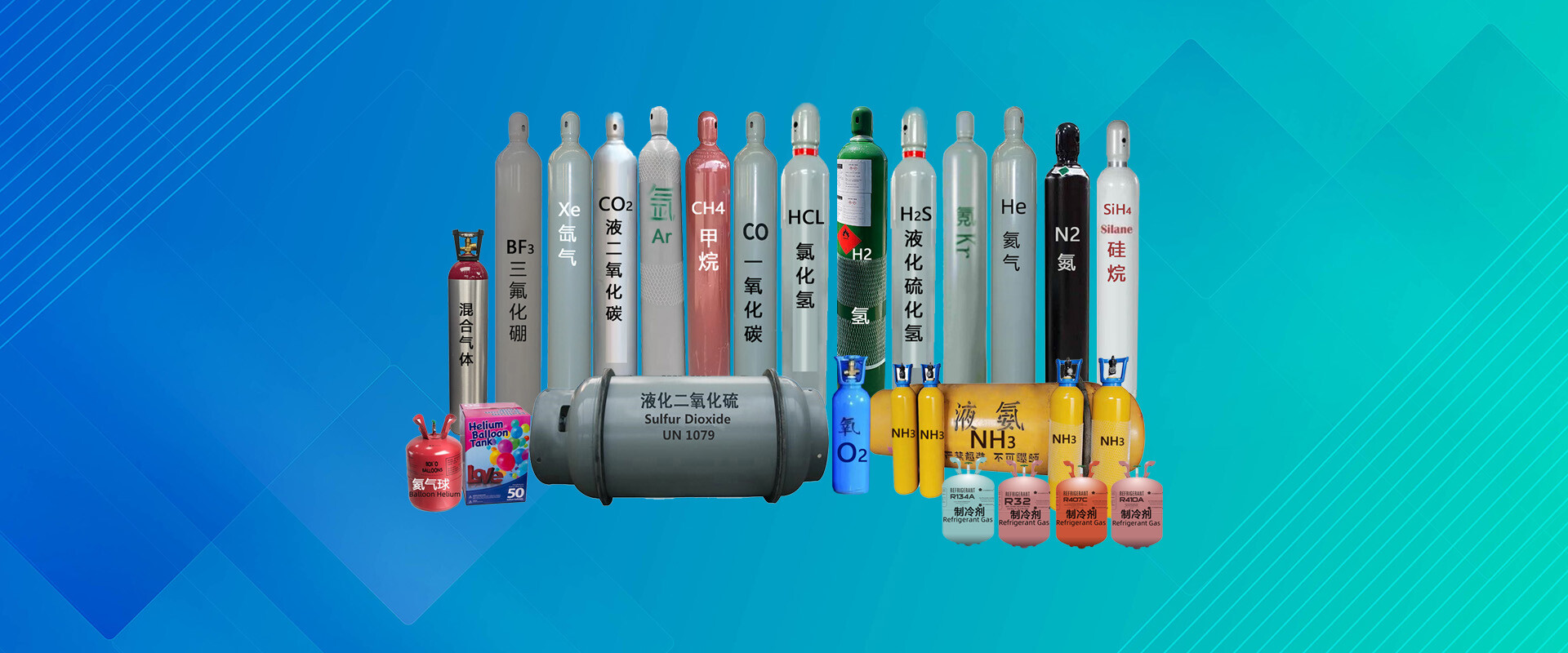
 Complete Gas Portfolio 2026: One-Stop Supplier for HCl, H₂S, SO₂, NH₃, O₂, Noble Gases & More
 High-Purity Gases Global Supply Guide: HCl, H₂S, SO₂, NH₃, O₂, He, Ar, CH₄, Kr, Ne, XeDominate global gas markets with comprehensive 15+ product portfolio: Electronic-grade HCl (99.999%), H₂S, SO₂, NH₃ (6N), noble gases He/Ar/Kr/Ne/Xe, medical O₂, and CH₄. Semiconductor fabrication, healthcare, industrial applications. RCEP export strategies and international compliance.
Chat Online