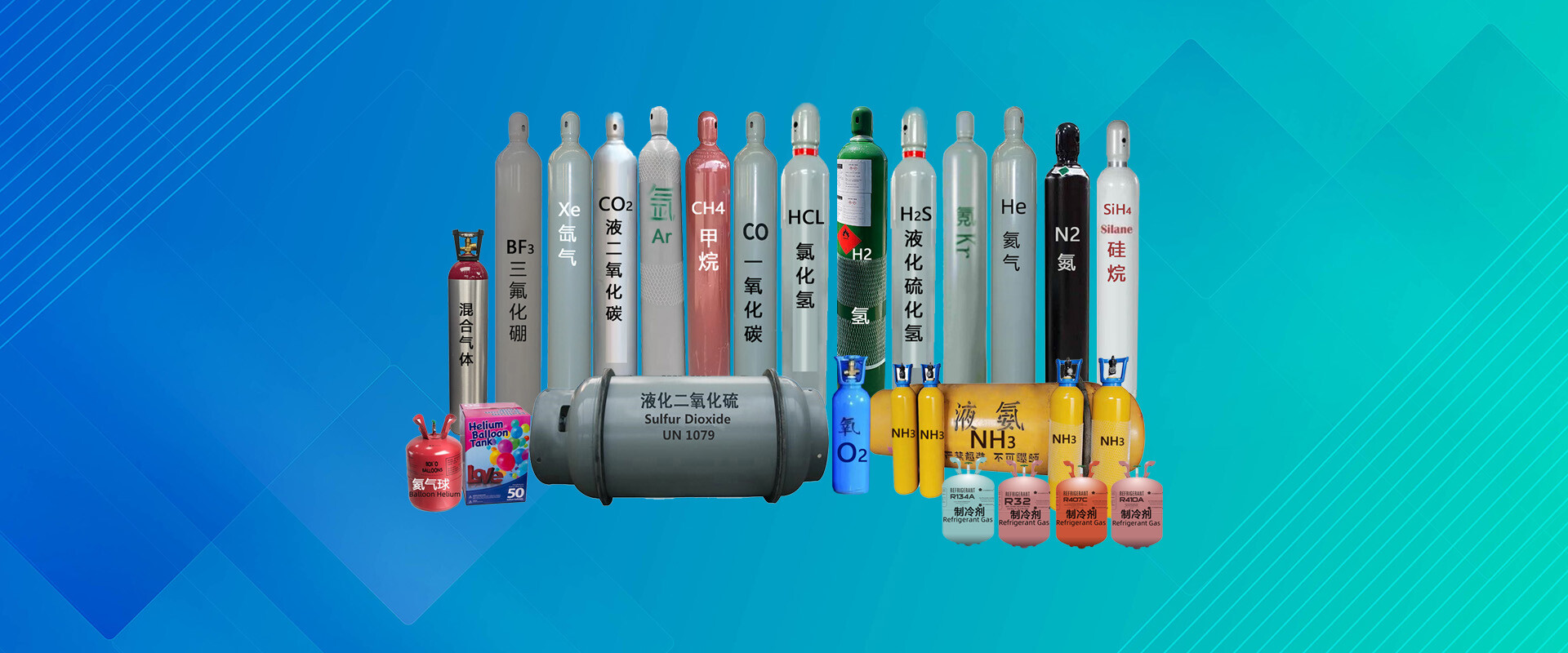
Hexafluoroethane is a high-value specialty industrial gas that serves a core role in advanced manufacturing, semiconductor processing and new material industries. Dr. Liam Henderson, a senior expert in electronic specialty gas research at Global Advanced Materials Research Institute, states that “Hexafluoroethane is irreplaceable in precision industrial manufacturing, yet its high greenhouse gas potential demands strict operational and environmental management at all stages.” Similar to hydrogen chloride gas, hexafluoroethane balances outstanding industrial utility and inherent operational risks, requiring industries to maintain a rigorous balance between innovative application and standardized safety management.
From semiconductor chip manufacturing to refrigeration system formulation and precision material processing, hexafluoroethane delivers unique performance advantages that cannot be replicated by conventional gases. Its stable molecular structure and excellent fluorine-based reactivity make it a staple in high-end industrial production chains. However, its physical and chemical characteristics also bring unique challenges including low-temperature accumulation and high global warming potential. Improper storage, usage or emission management may lead to operational hazards and long-term environmental impacts. Therefore, standardized operation, precise process control and sustainable emission reduction are essential for the industrial application of hexafluoroethane.
Looking ahead to 2026 and beyond, the hexafluoroethane industry is undergoing rapid upgrading driven by the booming semiconductor sector and global carbon neutrality policies. The market faces dual development demands: expanding high-purity product application scenarios and optimizing low-carbon, low-risk production and usage systems. Continuous innovation in purification technology, safety protection protocols and environmental governance will become the core driving force for the sustainable development of the hexafluoroethane industry.
What is Hexafluoroethane Gas?
Hexafluoroethane (C₂F₆) is a colorless, odorless, non-flammable fluorinated specialty gas with stable chemical properties, widely known as a key electronic-grade gas in high-precision industrial fields. Unlike common industrial gases, it is barely soluble in water but soluble in a small number of organic solvents such as ethanol and chloroform, with a gas density significantly higher than air, making it prone to accumulating in low-lying closed spaces. According to 2026 global specialty gas market analysis reports, driven by the expansion of semiconductor and microelectronics industries, the global high-purity hexafluoroethane market capacity continues to rise, with annual output steadily increasing and industrial demand maintaining stable growth.
In the semiconductor and microelectronics industry, high-purity hexafluoroethane is mainly used for plasma etching and chamber cleaning processes. It can produce high-activity trifluoromethyl free radicals to achieve selective etching of silicon dioxide, metal silicides and other precision materials, ensuring the accuracy of chip circuit patterning. In the chemical industry, it serves as an important raw material for synthesizing high-performance fluorine-containing materials and mixed refrigerants. Additionally, it is applied in precision instrument testing and low-temperature industrial cooling scenarios. While hexafluoroethane greatly boosts the development of high-end manufacturing, its special environmental attributes also bring urgent governance challenges for industrial production.
Chemical and Physical Properties of Hexafluoroethane
Hexafluoroethane (C₂F₆) is a colorless, tasteless and non-flammable gas under normal temperature and pressure conditions. It has a boiling point of -78.2°C and a melting point of -100.6°C, with a critical temperature of 19.7°C, enabling it to be easily liquefied under pressurized and low-temperature conditions for convenient storage and transportation. Its gaseous density reaches 5.734 kg/m³ at room temperature, far exceeding air density, which is the core reason for its tendency to settle in low-lying areas and form hidden safety hazards in confined spaces.
In terms of chemical properties, hexafluoroethane has an extremely stable molecular structure with strong chemical inertness. It does not react with common acids, alkalis and oxidants under conventional industrial conditions, featuring excellent thermal stability and corrosion resistance. This stable characteristic makes it safe for long-term industrial use in precision equipment and high-temperature processing environments. Meanwhile, its unique fluorine-carbon bond structure enables it to decompose under high-energy plasma conditions to release active fluorine groups, which is the key principle supporting its etching and cleaning functions in semiconductor processes.
Despite its high chemical stability, hexafluoroethane has prominent environmental properties: it is a potent greenhouse gas with an extremely long atmospheric retention cycle and high global warming potential. In industrial scenarios, improper leakage and emission will cause long-term environmental impact. In addition, although non-toxic at conventional concentrations, high-concentration accumulation can cause oxygen deficiency in confined spaces, leading to suffocation risks. Understanding these dual properties of industrial applicability and potential hazards is the basis for standardized industrial operation and environmental management.
Common Production Methods of Hexafluoroethane Gas
The industrial production of hexafluoroethane focuses on high purity, low impurity and low environmental pollution, with mature and efficient production processes widely adopted in modern specialty gas factories. The most mainstream industrial method is the direct fluorination synthesis method, which uses ethane and high-purity fluorine gas as raw materials, and conducts controlled reaction in a sealed high-temperature reaction furnace. By precisely regulating reaction temperature, fluorine supply rate and cooling conditions, the reaction efficiency is optimized to generate crude hexafluoroethane gas, which is then purified through dust removal, alkali washing, drying and rectification processes to remove impurities, finally obtaining electronic-grade high-purity products.
Another common preparation method is the fluorination reaction of chlorofluoroalkane raw materials. Using halogenated ethane compounds as precursors, substitution reaction with fluorinating agents is carried out under catalytic conditions to replace chlorine atoms with fluorine atoms, producing hexafluoroethane. This method is mostly used in small-batch production and laboratory preparation, with relatively lower production cost but higher impurity content, requiring complex secondary purification procedures, so it is less applied in large-scale electronic-grade gas production.
With the upgrading of environmental protection standards in 2026, green and low-carbon production technologies have become a new development direction for the hexafluoroethane industry. Advanced electrochemical fluorination and closed-cycle recycling production processes are gradually being promoted, which can effectively reduce raw material waste and fugitive emissions. However, these innovative technologies face challenges such as high equipment investment costs and complex process control, limiting their large-scale popularization. Continuous technological iteration is still needed to balance production efficiency, product purity and environmental sustainability.
Industrial Applications of Hexafluoroethane in 2026
In 2026, driven by the rapid development of global semiconductor manufacturing, new energy and high-end equipment industries, the industrial application scope of hexafluoroethane continues to expand, and its market value keeps rising. According to the latest global electronic specialty gas industry reports, the hexafluoroethane market maintains a steady growth rate, and the demand for high-purity products in advanced chip manufacturing processes has increased significantly, becoming the core growth engine of the industry.
The semiconductor industry is the largest downstream application field of hexafluoroethane. It is widely used in plasma dry etching and reaction chamber cleaning processes for wafer manufacturing. Compared with other fluorinated gases, hexafluoroethane has more stable etching selectivity, which can accurately etch oxide and silicide materials without damaging the substrate structure, effectively improving the precision and yield of chip manufacturing. In addition, it is used in the production of microelectronic components and semiconductor packaging processes, supporting the iterative upgrading of high-end electronic products.
In the chemical and new material industry, hexafluoroethane is used for the synthesis of high-performance fluorine-containing polymers and special refrigerants, providing high stability and low-temperature resistance for new material products. It also plays an important role in precision low-temperature cooling, aerospace equipment testing and industrial gas insulation scenarios. Industry experts emphasize that while expanding application scenarios, enterprises must strictly implement process specifications, because gas leakage and improper operation will trigger safety and environmental risks.
Tips: In industrial application of hexafluoroethane, keep production workshops well-ventilated, install gas concentration monitoring and alarm devices, and regularly inspect pipeline sealing conditions to prevent low-lying gas accumulation.
Safety and Handling of Hexafluoroethane Gas
Hexafluoroethane is a non-flammable and low-toxic industrial gas, but its physical characteristics and environmental attributes determine that standardized handling and strict safety management are indispensable in industrial operations. Its high density makes it easy to accumulate in underground spaces, closed workshops and low-lying areas, leading to local oxygen deficiency. Long-term inhalation of high-concentration gas may cause dizziness, dyspnea and other physical discomforts, and extreme cases may lead to suffocation accidents.
In terms of storage and transportation, hexafluoroethane needs to be stored in professional high-pressure sealed gas cylinders, placed in cool, dry and well-ventilated special warehouses, away from high-temperature heat sources and incompatible chemical substances. All storage areas must be equipped with real-time gas concentration monitoring systems and emergency ventilation equipment. Enterprises must keep complete Material Safety Data Sheets (MSDS) on site to guide standardized operation and emergency disposal.
Tips: Operators must wear professional protective clothing, gas-proof goggles and breathable protective masks during operation. In case of gas leakage, immediately cut off the gas source, evacuate on-site personnel to a safe area, open emergency ventilation facilities, and prohibit entering low-lying closed spaces at will. Regular professional safety training is required to improve employees' risk identification and emergency response capabilities.
Environmental Impact of Hexafluoroethane Emissions
Although hexafluoroethane does not produce toxic and harmful substances after decomposition and will not cause direct air pollution or acid rain, it is a typical high-potential greenhouse gas. It has an ultra-long atmospheric service life and extremely high global warming coefficient, and its uncontrolled emission will exacerbate global greenhouse effect and cause long-term negative impact on the ecological environment, which has become a key environmental governance focus of the industry in 2026.
At present, with the continuous tightening of global carbon emission policies, the environmental management pressure of the hexafluoroethane industry is increasing. Industrial fugitive emissions, waste gas discharge in production processes, and residual gas emission after equipment cleaning are the main emission sources. To mitigate environmental impacts, enterprises are required to establish full-process emission monitoring systems, adopt closed-cycle production and waste gas recovery and purification technologies, and maximize the recycling of waste hexafluoroethane gas.
Tips: Industrial enterprises should regularly count gas emission data, optimize production processes to reduce invalid consumption and emission. Relevant practitioners can pay attention to the latest industry environmental protection standards, actively promote low-carbon process transformation, and jointly reduce the environmental footprint of the fluorinated gas industry.
Future Trends and Innovations in Hexafluoroethane Usage
In 2026 and the next few years, the hexafluoroethane industry will show an obvious development trend of "high-end application upgrading + green and low-carbon iteration". Driven by the rapid development of advanced semiconductor manufacturing, 5G communication and new energy industries, the market demand for ultra-high-purity hexafluoroethane will continue to grow, and product purity and process precision will become the core competitive indicators of the industry.
Technological innovation will focus on three major directions: high-precision purification technology to meet the needs of advanced chip processes, low-leakage intelligent storage and transportation equipment, and waste gas recycling and carbon reduction technology. Intelligent monitoring systems will be widely popularized in production workshops, realizing real-time early warning of leakage, automatic adjustment of process parameters and full-life-cycle traceability of products. In addition, the research and development of alternative low-carbon fluorinated gases and optimized composite process technologies will also become important industry research directions, helping the industry achieve carbon neutrality goals.
In the future, the development of the hexafluoroethane industry will no longer only pursue production capacity and application scale, but will take safety standardization and environmental sustainability as the core basis. Balancing high-value industrial application, operational safety and low-carbon environmental protection will be the key to the long-term healthy development of the industry.
Global Trends and Market Insights on Hexafluoroethane (C₂F₆): Industry Analysis and 2026+ Projections
Hexafluoroethane, as a strategic electronic specialty gas, occupies an important position in the global high-end manufacturing industry chain. In recent years, with the global transfer of semiconductor industry and the rapid development of domestic electronic manufacturing industry, the global hexafluoroethane market has maintained steady growth. Industry data shows that the market scale continues to expand, and it is expected to maintain a stable compound annual growth rate from 2026 to 2030, with high-purity electronic-grade products contributing the main market increment.
In terms of regional market pattern, the Asia-Pacific region has become the largest consumer market of hexafluoroethane, relying on the intensive development of semiconductor, new energy and electronic manufacturing industries in China, South Korea and other countries and regions. At the same time, European and American markets have strict access standards for product purity, safety production and environmental emission, promoting the overall upgrading of global industry technology.
At present, the industry development presents two major characteristics: on the one hand, the market demand for high-purity products is rigidly growing, and the technical threshold of the industry is continuously improved; on the other hand, environmental protection and safety supervision are increasingly strict, forcing enterprises to carry out technological transformation and standardized upgrading. Enterprises that master high-precision purification technology, perfect safety management system and low-carbon production process will gain more market advantages in the competitive pattern.
FAQs
What is hexafluoroethane gas?
Hexafluoroethane (C₂F₆) is a colorless, odorless, non-flammable and chemically stable fluorinated specialty gas, widely used in semiconductor etching, chamber cleaning and new material synthesis fields.
What industries use hexafluoroethane gas?
It is mainly applied in semiconductor and microelectronics manufacturing, fluorine-containing new material synthesis, special refrigerant production, precision low-temperature cooling and aerospace precision testing industries.
Why is safety important when handling hexafluoroethane?
It has a higher density than air and easily accumulates in low-lying confined spaces to cause oxygen deficiency and suffocation risks. Long-term unregulated emission will also cause greenhouse gas environmental hazards.
How should hexafluoroethane gas be stored?
Store in special high-pressure sealed gas cylinders, placed in cool, ventilated and dry professional warehouses, away from high-temperature heat sources and incompatible chemicals, equipped with gas monitoring and alarm devices.
What to do in case of a hexafluoroethane leak?
Cut off the gas source immediately, evacuate on-site personnel, open emergency ventilation equipment, prohibit entering low-lying areas, and dispose of it by professional personnel after eliminating hidden dangers.
What safety gear is recommended when working with hexafluoroethane?
Operators need to wear professional protective clothing, anti-corrosion goggles and breathable protective masks to avoid long-term inhalation and accidental contact risks.
What future trends are emerging for hexafluoroethane usage?
The industry is developing towards ultra-high purity, intelligent safety management, closed-cycle recycling and low-carbon environmental protection, with continuous innovation in semiconductor high-end process applications and carbon reduction technologies.
How does hexafluoroethane affect the environment?
It is a high-potential greenhouse gas with a long atmospheric retention cycle. Uncontrolled emissions will aggravate the greenhouse effect and bring long-term ecological environmental pressure.
Are there training requirements for handling hexafluoroethane?
Yes, on-site operators must receive professional safety operation and emergency disposal training, master gas hazard characteristics and standard operation specifications, and take regular assessment.
What challenges do industries face with hexafluoroethane?
The industry faces challenges such as high technical threshold of high-purity product preparation, high greenhouse gas emission governance pressure, and high cost of green recycling equipment transformation.
Conclusion
As an indispensable high-end specialty gas in modern industrial manufacturing, hexafluoroethane (C₂F₆) has stable chemical properties and excellent process applicability, playing an irreplaceable core role in semiconductor precision processing, new material synthesis and other key fields. Its mature industrial production methods and continuously optimized application processes support the steady development of downstream high-end manufacturing industries in 2026.
While enjoying the industrial value brought by hexafluoroethane, the industry must attach great importance to operational safety and environmental protection management. The gas's characteristics of easy accumulation in low-lying areas and high greenhouse potential require enterprises to always adhere to standardized operation, improve safety protection facilities and full-process monitoring systems, and strengthen employee safety training. In the future, with the continuous progress of green production and intelligent manufacturing technology, the hexafluoroethane industry will further realize the coordinated development of industrial innovation, safety production and environmental sustainability, and maintain a balanced development state of efficient utilization and responsible governance.
Tel: +86-533-7246752
Mobile/Wechat:+86 18678163220
Email: ruth@dijiagases.com
Whatsapp: +86 13290119569
217,No.2158 Xinhua Road , Linzi District, Zibo City, Shandong Province, China.