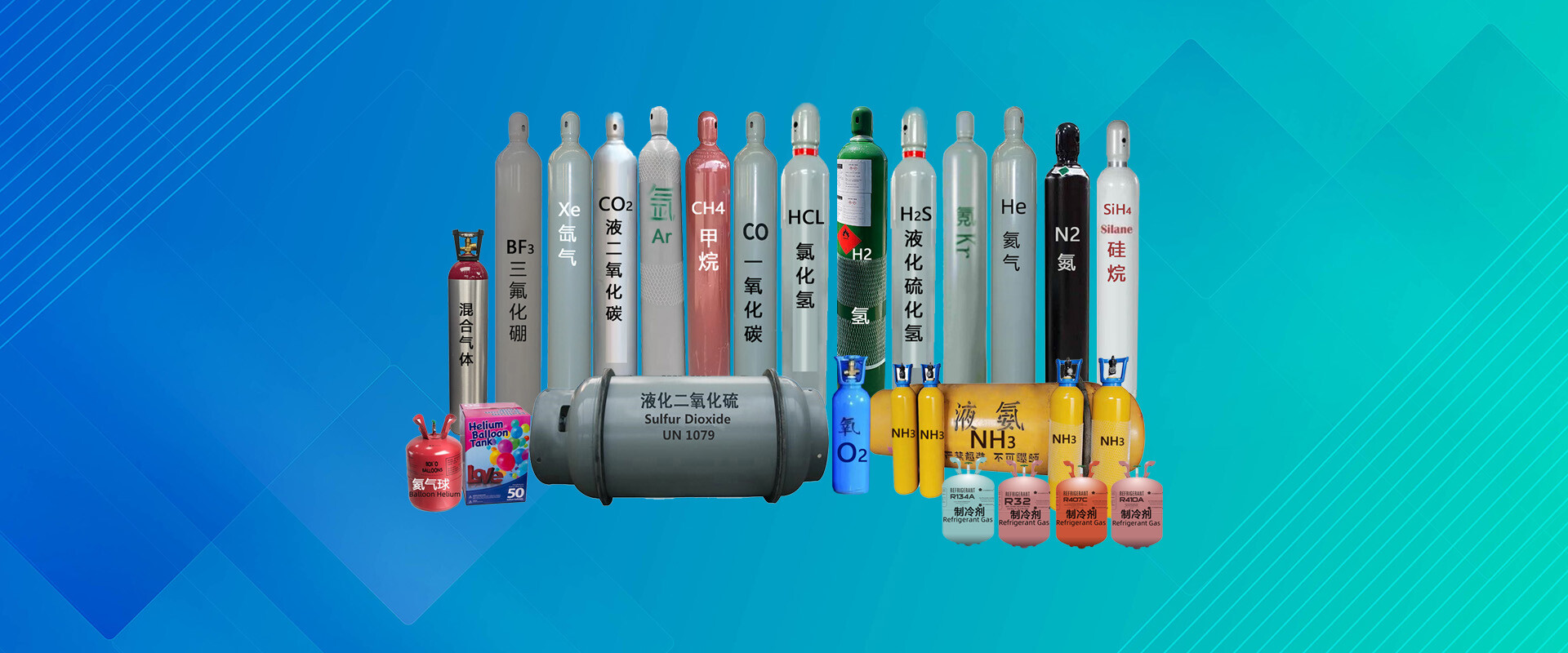
The Essential Guide to HCl, H₂S, and SO₂: Powering Modern Industry with Specialty Gases
Introduction
In the intricate landscape of modern manufacturing and technology, specialty gases such as Hydrochloric Acid (HCl), Hydrogen Sulfide (H₂S), and Sulfur Dioxide (SO₂) serve as critical but often unseen enablers. Far beyond their basic chemical definitions, these gases are indispensable in high-precision industries, from semiconductor fabrication and pharmaceutical synthesis to food processing and metallurgy. For global procurement managers and engineers, navigating the complex specifications, stringent safety protocols, and evolving international regulations surrounding these gases is paramount. This comprehensive guide provides an in-depth analysis of HCl, H₂S, and SO₂, offering essential insights for secure sourcing, regulatory compliance, and optimal application across your operations.
Technical Definitions and Core Properties
Understanding the fundamental nature of these gases is the first step toward their safe and effective use.
Hydrogen Chloride (HCl): Anhydrous Hydrogen Chloride is a colorless, pungent gas that is highly soluble in water, forming hydrochloric acid. It is heavier than air and, in its dry form, is relatively non-corrosive to steel. However, it becomes extremely corrosive in the presence of moisture.
Hydrogen Sulfide (H₂S): This colorless gas is infamous for its characteristic "rotten egg" odor at low concentrations. It is highly toxic, flammable, and slightly heavier than air. H₂S acts as a weak acid when dissolved in water, forming hydrosulfuric acid.
Sulfur Dioxide (SO₂): A colorless gas with a sharp, irritating odor. It is a major atmospheric pollutant but also a vital industrial reagent. SO₂ is highly soluble in water, forming sulfurous acid (H₂SO₃), and exhibits both oxidizing and reducing properties depending on the reaction conditions.
Critical Applications Across Industries
The utility of these specialty gases spans a diverse range of sectors, underlining their importance in global supply chains.
Hydrogen Chloride (HCl) is fundamental in:
Electronics: High-purity HCl is used for silicon etching and chamber cleaning in semiconductor manufacturing.
Chemicals: It's a primary feedstock for producing vinyl chloride (the precursor to PVC) and numerous other organic and inorganic chlorides.
Metallurgy: Used in pickling and surface treatment of metals.
Hydrogen Sulfide (H₂S), despite its hazards, is crucial for:
Analytical Chemistry: Used as a precipitating agent in qualitative inorganic analysis (e.g., for metal sulfides).
Chemical Synthesis: Serves as a reducing agent and a precursor to elemental sulfur and other sulfur-containing compounds.
Sulfur Dioxide (SO₂) has several key uses:
Food & Beverage: Acts as a preservative and antioxidant (E220) in dried fruits, wines, and fruit juices.
Chemical Production: The primary intermediate in the contact process for manufacturing sulfuric acid, the world's most produced chemical.
Pulp & Paper: Used as a bleaching agent for wood pulp.
Water Treatment: Employed as a disinfectant and dechlorination agent.
Global Compliance and Export Essentials
International trade of these hazardous materials is governed by a strict, layered regulatory framework. Non-compliance is not an option, as it can lead to severe delays, fines, or refusal of shipment.
The Regulatory Backbone: Two key United Nations systems form the core of global regulation:
The Globally Harmonized System (GHS): Standardizes the classification and labeling of chemicals. The latest revision, GHS Rev. 11, introduced significant updates like a new hazard class for substances that "Hazard the Atmosphere" by contributing to global warming.
The Transport of Dangerous Goods (TDG) Model Regulations: Governs the packing and transportation of hazardous goods. The upcoming 24th revised edition includes specific new packaging provisions for certain dangerous goods.
Mandatory Documentation for Export: Successfully shipping these gases requires a complete and accurate "dossier of compliance".
Safety Data Sheet (SDS): This is the chemical's passport. A compliant SDS must contain 16 specific sections with accurate data on hazards, composition, and first-aid measures. Authorities require it to be timely, complete, and accurate; using outdated or generic templates is a common cause of failed customs clearance.
UN-Certified Packaging: All packages must be designed, tested, and certified to UN performance standards (e.g., drop, stack, pressure tests). Each certified package bears a unique UN mark (e.g., 4G/Y145/S/23/CN/XXXXXX), proving it has passed rigorous tests.
Packaging Performance Test Report & Use Qualification Report: In many regions, including China, exporters must provide dual documentation: one proving the packaging's design performance and another proving it was correctly filled and prepared for a specific shipment.
Dangerous Goods Transport Document: This shipment-specific document details the UN number, proper shipping name, hazard class, and quantity for carriers.
Advanced Packaging and Safe Handling
Given their toxic, corrosive, and flammable nature, the integrity of the gas package is synonymous with safety.
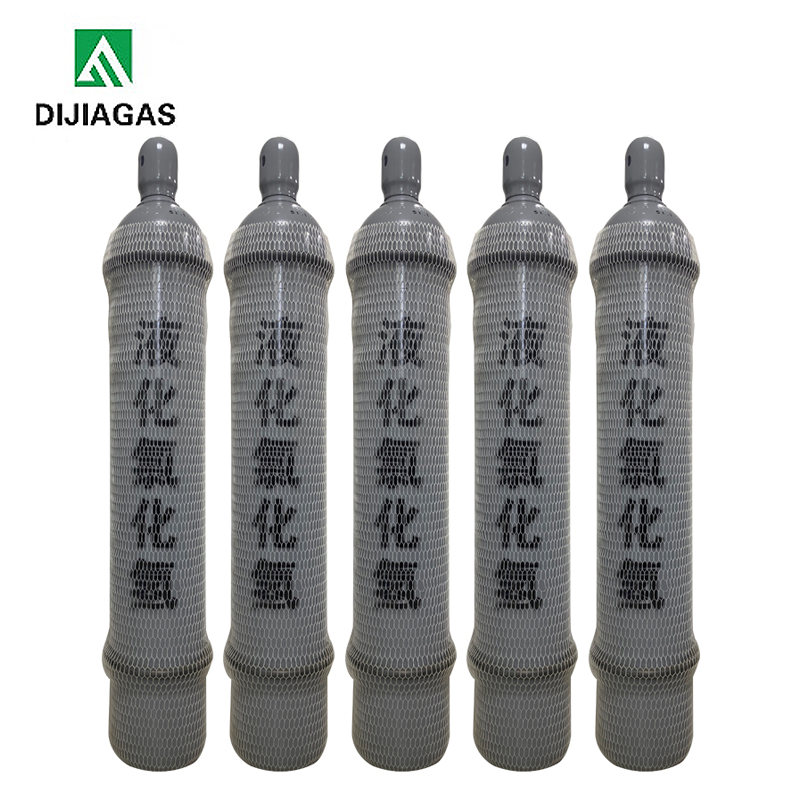
Specialized Cylinders: These gases are typically contained in seamless steel or aluminum cylinders equipped with specialized, corrosion-resistant valves (e.g., CGA 330 for HCl). Cylinders for ultra-high-purity applications undergo internal surface treatments like electropolishing to prevent contamination and ensure gas stability.
Packaging Classes: The UN TDG specifies different packaging groups (I, II, III) based on the degree of danger. HCl, H₂S, and SO₂, due to their high toxicity and corrosivity, generally require the most stringent Packaging Group I standards.
Handling Imperatives:
Leak Detection: H₂S's odor provides a warning, but electronic gas detectors are essential for all three gases for reliable monitoring.
Material Compatibility: Ensure all wetted materials (valves, regulators, piping) are compatible. For instance, certain metals can catalyze dangerous reactions with H₂S.
Personal Protective Equipment (PPE): Chemical-resistant gloves, aprons, and eye/face protection are mandatory. For potential leak scenarios, self-contained breathing apparatus (SCBA) is required.
The Strategic Advantage of a Professional Supplier
Partnering with an expert manufacturer transcends simple procurement; it is a strategic investment in supply chain reliability and risk mitigation.
Conclusion
Hydrochloric Acid, Hydrogen Sulfide, and Sulfur Dioxide are more than just industrial chemicals; they are foundational pillars for advanced manufacturing. However, their value is fully realized only when coupled with uncompromising standards of quality, safety, and regulatory compliance. In a world of increasing logistical and regulatory complexity, the choice of supplier is a critical business decision. By selecting a manufacturer that embodies technical excellence and rigorous safety stewardship, you secure more than a gas supply—you secure the integrity of your production, the safety of your workforce, and the smooth operation of your global supply chain.
Disclaimer: This article is for informational purposes. For specific handling, safety, and regulatory advice, always consult the latest Safety Data Sheet (SDS) and relevant local, national, and international regulations.
Tel: +86-533-7246752
Mobile/Wechat:+8618678163220
Email: ruth@hclgases.com
Whatsapp: ++8613290119569
217,No.2158 Xinhua Road , Linzi District, Zibo City, Shandong Province, China.