
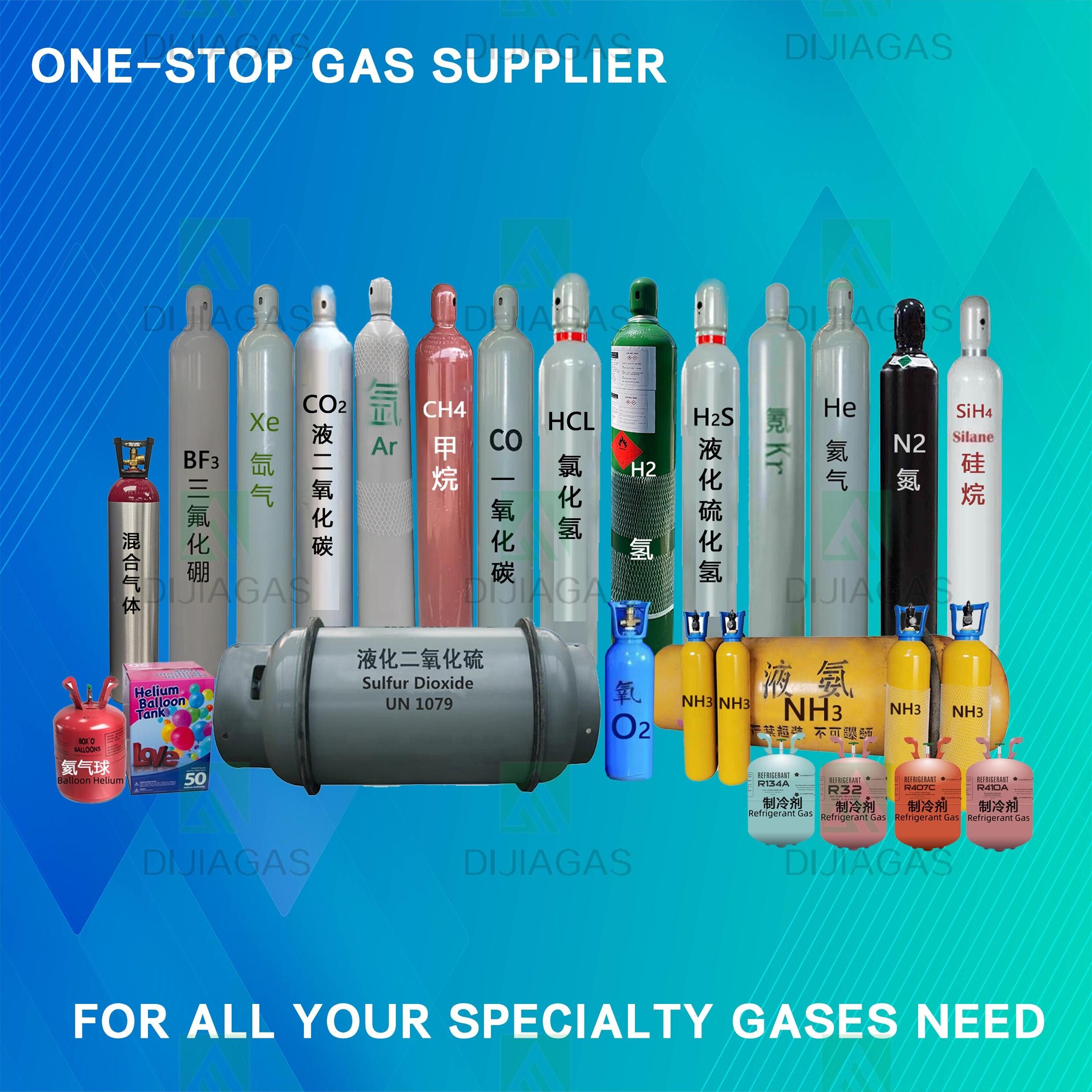
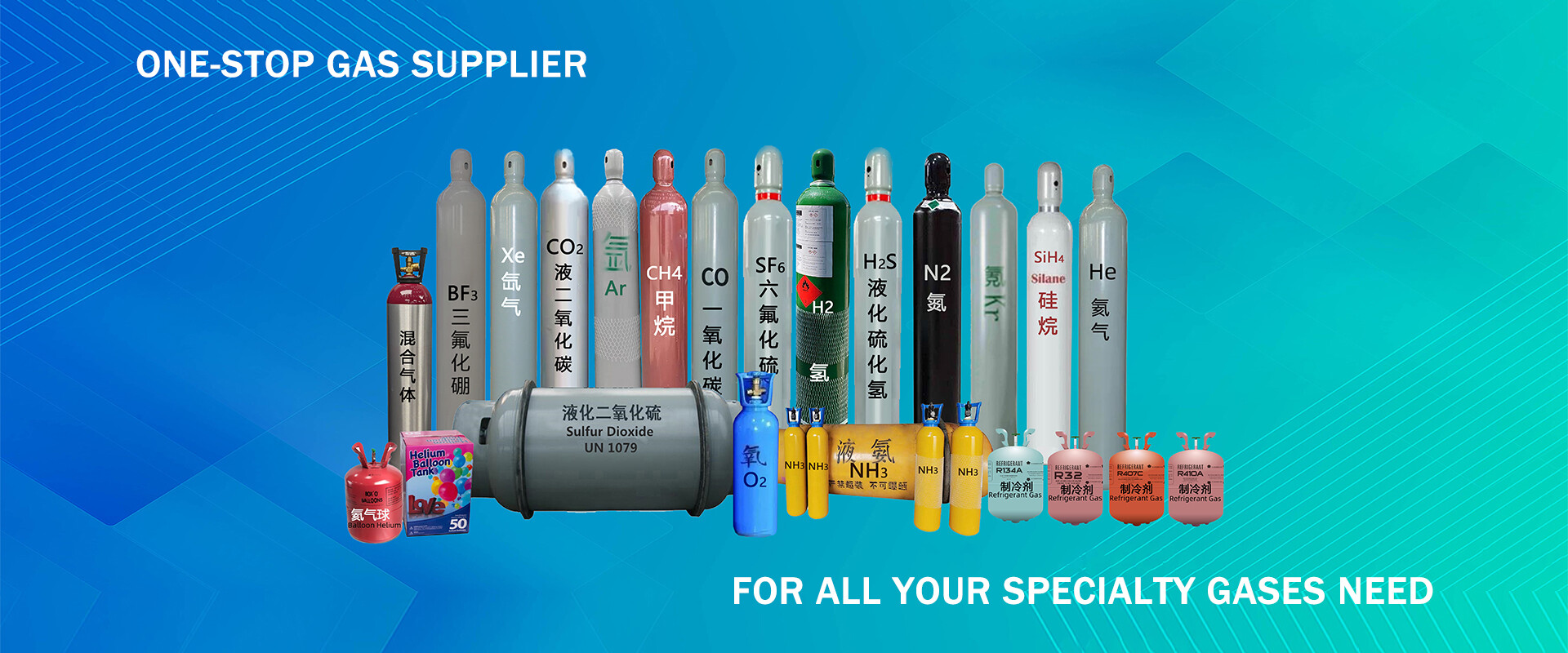
A mixture of gas and liquid in a gas cylinder provides convenient packaging for a variety of purposes, among which the main uses are as follows:
Gaseous mixtures are often used to reduce the toxicity and flammability of a highly active object, similarly mixing other substances with pure substances can change the physical properties of the pure substance.
Typical use of gas mixtures
1. Used for instrument analysis. Pure gases and mixtures are often used to operate and calibrate analytical instruments. Zero-position gases (usually PURE substances, but ALSO containing a small or known concentration of a related component) are used in flame ion detection meters, which require a fairly low hydrocarbon content to achieve maximum even reading sensitivity. The "ZERO AIR" can BE used to adjust the zero position of the meter or to provide an oxidizer with a low hydrocarbon content for the analyzer to act on.
2. For the estimation of gases, which usually contain fewer relevant components, allowing the calibration of the analytical apparatus to this concentration value when the concentration level is known.
3. For disinfection. Ethylene oxide diluted to 12% is mixed with fluorocarbon-12, or 10-20% ethylene oxide mixed with carbon dioxide is commonly used for disinfection. Another disinfectant is propylene oxide. These mixtures are regulated in the United States by the Environmental Protection Regulatory Agency.
4. For medical treatment. A low concentration of carbon monoxide mixed in the air was used in lung diffusion experiments. A mixture of oxygen and varying percentages of carbon dioxide can be used for calibration of blood analysis gas analyzers. Cyclopropane, nitrous oxide, and certain chemically active gases that may be used individually and as mixtures for anesthesia.
5. The number of nuclear technologies used. A mixture of 0.95% isobutane and helium and a mixture of 1.3% butane and helium have both been used as Geiger counter gases. A mixture of 0.4% isobutane and helium and a mixture of 10% methane and argon were used as proportional counter gases.
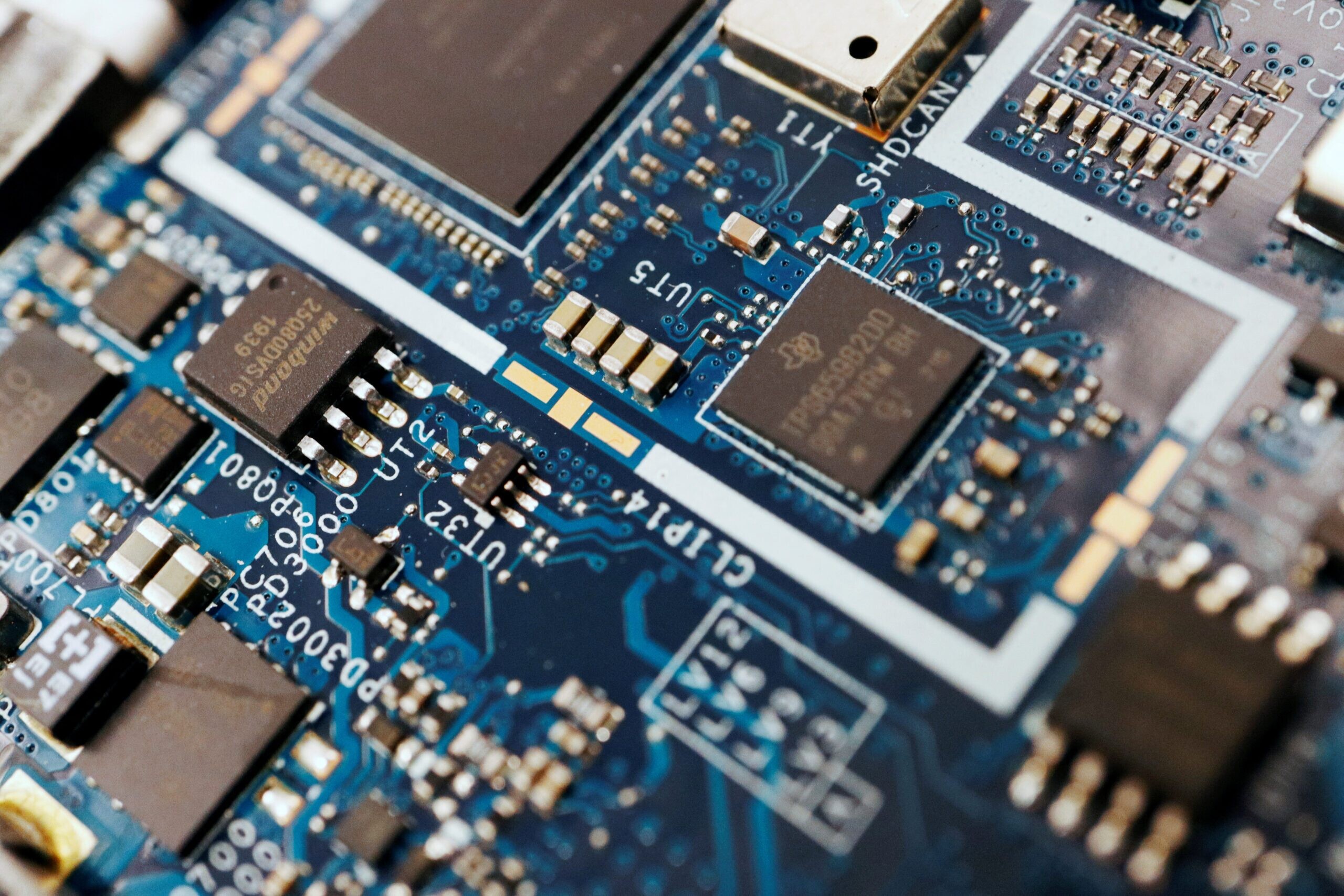
6. For the manufacture of electronic components. A gas containing trace dopants such as trihydrogen arsenide, phosphine or ethborane. For example: gases such as hydrogen, helium, argon or nitrogen, which are used to make silicon semiconductors. A highly purified mixture of ammonia is used for nitriding. Silane, either pure or in mixtures, can be used for the deposition of silicon. A gas mixture similar to one of the above mixtures, if the content of trihydrogen arsenide and phosphine is high, is usually used to make grain semiconductors.
7. For welding. A mixture of oxygen and argon, carbon dioxide and helium-nitrogen can all be used for welding.
8. For cooling. Refrigerants such as a mixture of chloromethane and fluorocarbons can be used for cooling purposes.
9. Used for smoking. Both bromomethane and ethylene oxides can be used for smoking.
10. For chemical inspection. The American Society for Testing Materials uses gas mixtures as a protective atmosphere.
11. Used in metallurgy. Hydrogen - nitrogen can be used for heat treatment.
12. For leakage detection. Low percentage of fluorocarbon compounds. Can be used to detect leaks.



 Xenon Gas 2026: 99.9999% Ultra-Pure Xe for Semiconductor, Satellite & Medical ApplicationsXenon gas (Xe) is a critical rare gas for semiconductor lithography, satellite ion propulsion, and medical anesthesia. Learn about 99.9999% ultra-pure specifications, UN2036 shipping requirements, dual-use export compliance, and 2026 market trends. Request a quote.
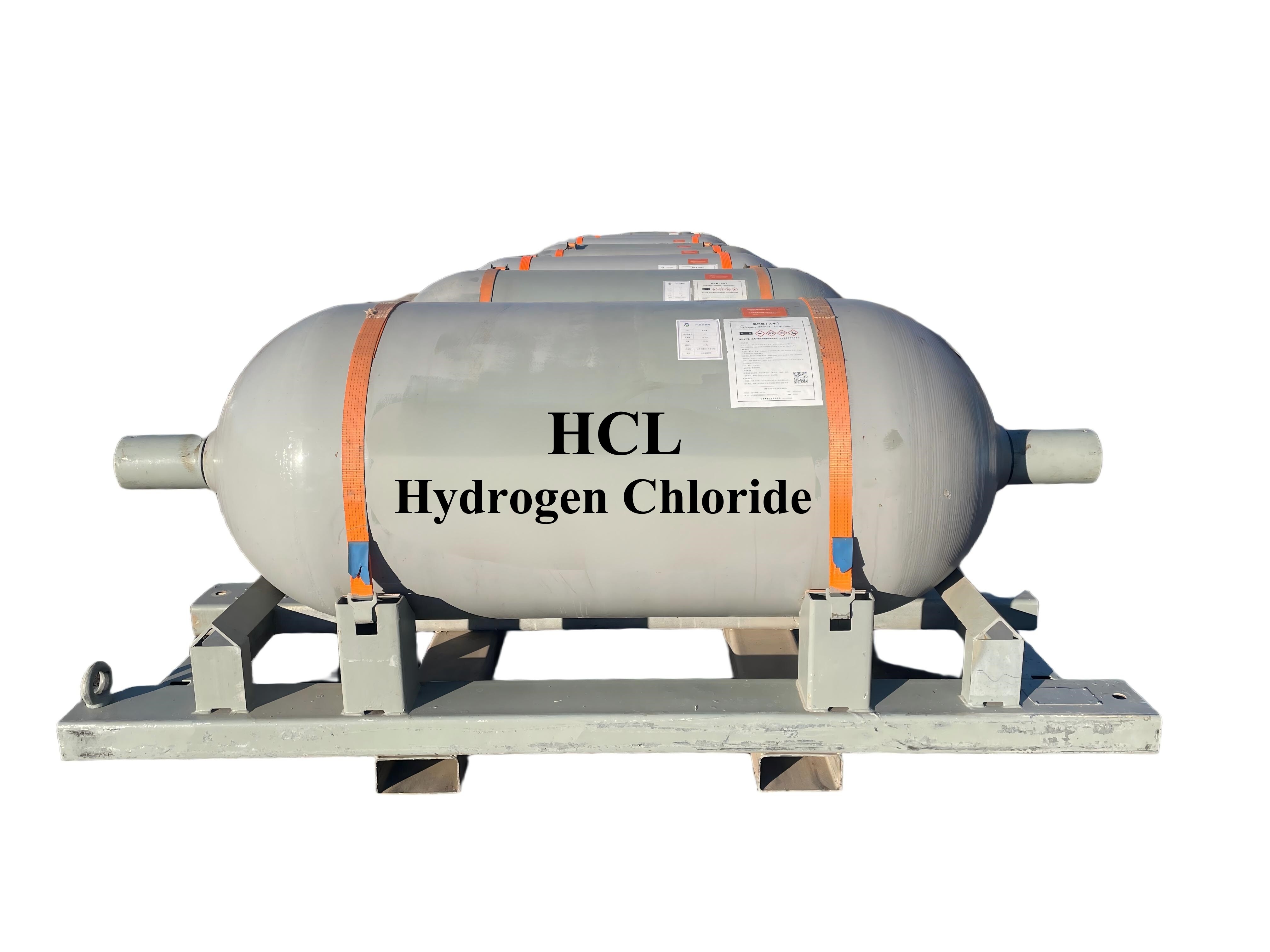
: Industrial Uses, Chemical Properties, Safety and 2026 Market Outlook") Hydrogen Chloride (HCl): Industrial Uses, Chemical Properties, Safety and 2026 Market OutlookHydrogen chloride (HCl) is a vital corrosive industrial gas widely used in chemicals, pharmaceuticals and metallurgy. Boasting high water solubility and strong acidity, it has huge industrial value. Yet its toxicity and environmental risks demand strict safety control and green, standardized usage across global industrial sectors in 2026.
Hydrogen Chloride (HCl): Industrial Uses, Chemical Properties, Safety and 2026 Market OutlookHydrogen chloride (HCl) is a vital corrosive industrial gas widely used in chemicals, pharmaceuticals and metallurgy. Boasting high water solubility and strong acidity, it has huge industrial value. Yet its toxicity and environmental risks demand strict safety control and green, standardized usage across global industrial sectors in 2026.: Industrial Applications, Properties, Safety and Future Trends 2026") Hexafluoroethane (C₂F₆): Industrial Applications, Properties, Safety and Future Trends 2026
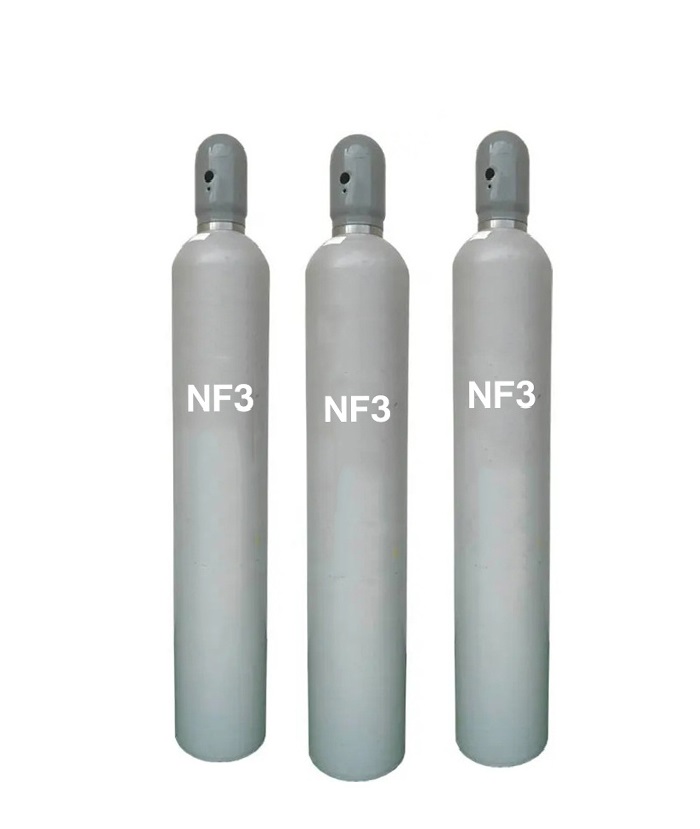
Hexafluoroethane (C₂F₆): Industrial Applications, Properties, Safety and Future Trends 2026 2026: 99.999% Electronic Grade for Semiconductor Etching & CVD Cleaning") Nitrogen Trifluoride (NF₃) 2026: 99.999% Electronic Grade for Semiconductor Etching & CVD CleaningStraight answers on nitrogen trifluoride: 99.999% electronic-grade NF3 for semiconductor plasma etching, CVD chamber cleaning, and display manufacturing. UN2451 shipping, cylinder specs, and compliance requirements. Request a quote.
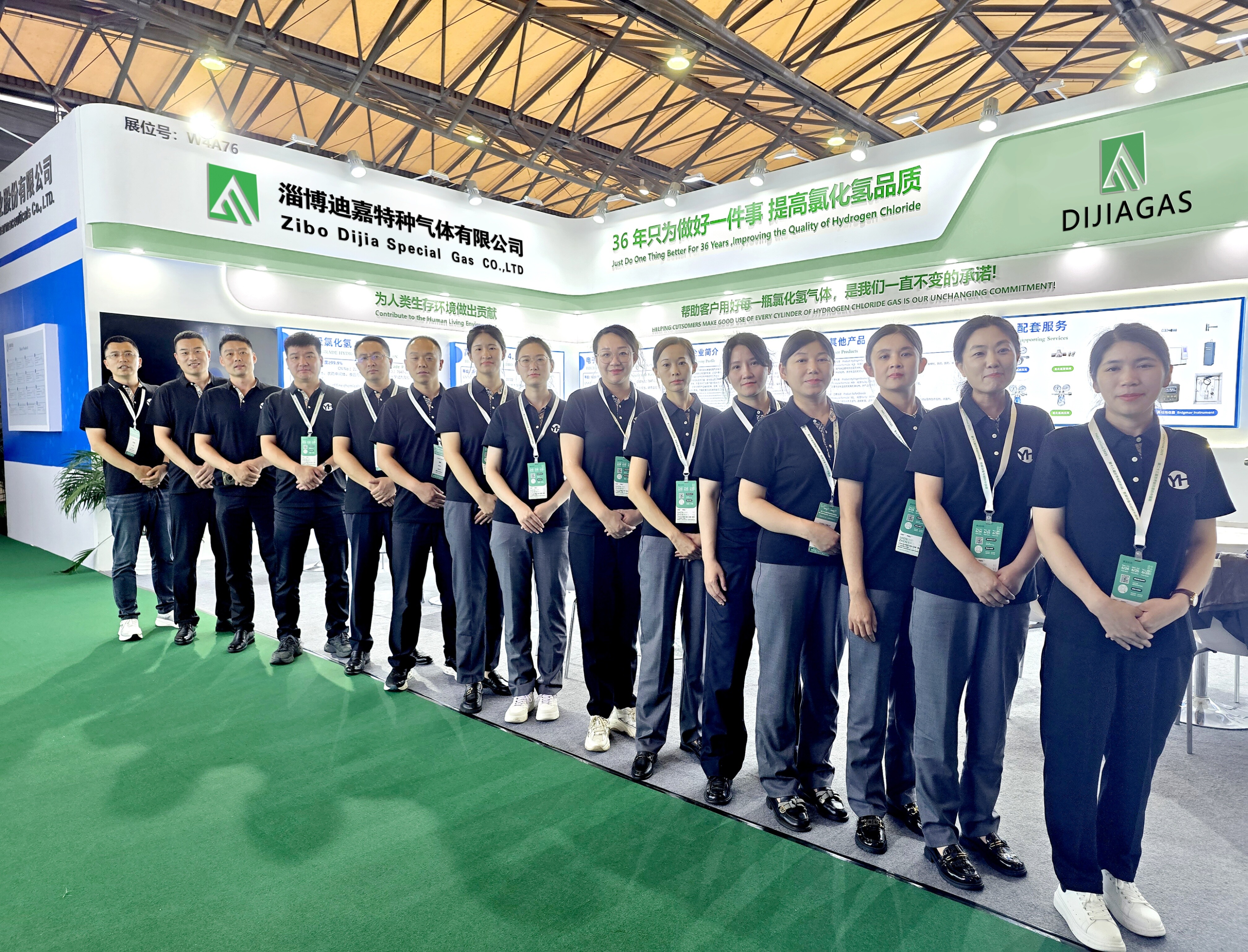
Nitrogen Trifluoride (NF₃) 2026: 99.999% Electronic Grade for Semiconductor Etching & CVD CleaningStraight answers on nitrogen trifluoride: 99.999% electronic-grade NF3 for semiconductor plasma etching, CVD chamber cleaning, and display manufacturing. UN2451 shipping, cylinder specs, and compliance requirements. Request a quote. Successful Conclusion of CPHI China 2026 | Zibo Dijia Gains Global Recognition for High-Purity Specialty Gas SolutionsThe 24th CPHI China 2026 concluded successfully in Shanghai. As a leading specialty gas supplier, Zibo Dijia showcased ten series of high-purity industrial, electronic, medical and specialty gases at Booth W4A76, including core products like hydrogen chloride and sulfur hexafluoride. The three-day exhibition facilitated in-depth negotiations with global pharmaceutical clients, yielding abundant cooperation intentions. Dijia’s professional gas solutions and reliable supply capacity won wide overseas recognition, laying a solid foundation for further global market expansion.
 Zibo Dijia Maintains Strong Momentum on Day 2 of the 24th CPHI China, Empowering Pharmaceutical Industry with Specialty GasesDay 2 @ CPHI China | Booth W4A76, Zibo Dijia Special Gas
Visitor momentum continues with targeted industrial negotiations. We supply mainstream pharmaceutical specialty gases including hydrogen chloride, hydrogen sulfide and sulfur hexafluoride. With ten product series and over 100 gas types covering industrial, electronic, medical, laser and calibration applications, we focused on high-purity compliance, cross-border supply and customized mixed gas cooperation on Day 2. Only one day left, looking forward to your visit.
Chat Online